HUD Multifamily Loans 101
The National Standards for the Physical Inspection of Real Estate (NSPIRE) is a game-changer for affordable housing and property management. Developed by the U.S. Department of Housing and Urban Development (HUD), NSPIRE ensures that federally assisted housing meets high safety, health, and maintenance standards.
What Are HUD Multifamily Loans and Why They Matter
Let’s break this down simply. HUD multifamily loans are financing options insured by the Federal Housing Administration. The U.S. Department of Housing and Urban Development (HUD) oversees these programs. They’re designed for properties with five or more units.
What makes these loans special? The government insurance allows lenders to offer better terms. You get lower rates because the risk is reduced for the lender. I’ve seen clients lock in 35-year fixed rates on HUD multifamily loans that beat anything else on the market. Plus, these loans are non-recourse. That means you’re not personally liable beyond the property itself.
The programs work for market-rate apartments, affordable housing, and senior living facilities. HUD multifamily loans can finance acquisitions, refinances, new construction, and substantial rehabilitation projects.
HUD 232 Loan Programs for Healthcare Facilities
Now here’s something exciting for healthcare investors. The HUD 232 program specifically targets nursing homes, assisted living facilities, and memory care properties. I’ve worked on several of these deals. The terms are fantastic.
This program provides mortgage insurance for the construction and substantial rehabilitation of senior housing. Properties must have 20 or more beds and provide continuous care. The loan-to-value can reach 80% for skilled nursing facilities. For assisted living, you’re looking at 75% maximum.
HUD 232 financing offers fixed rates for up to 35 years. The loan converts from construction financing to permanent financing automatically. That’s a huge advantage over traditional bank construction loans that require refinancing later.
Understanding the HUD 232 Lean Process
Back in 2008, HUD developed what they call the “Lean” methodology for Section 232 applications. It’s not an acronym. The name comes from Toyota’s efficiency model.
The FHA-approved lender handles most of the heavy lifting now. They walk you through everything from initial discussions to closing. Your lender becomes your guide through the entire process. Make sure you work with someone experienced in healthcare financing. Not all lenders understand these specialized requirements.
The Lean process reduced processing times significantly. Applications move faster when lenders submit complete packages. Missing documents cause delays. Work closely with your lender to avoid holdups.
Interest Rates and Loan Terms You Should Know
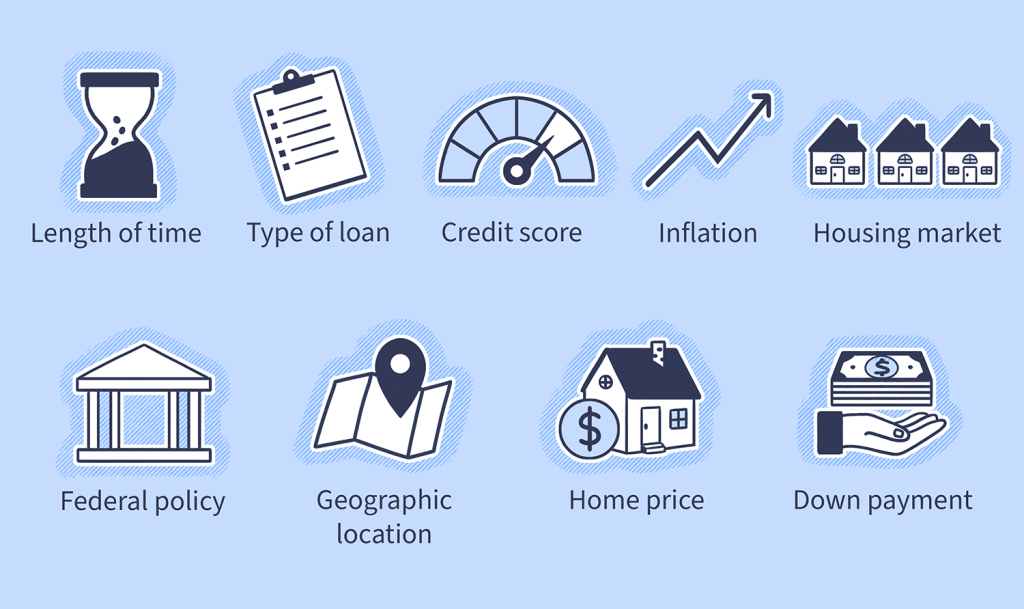
Let’s talk numbers because that’s what really matters. As of late 2025, HUD multifamily loans start around 5.18% to 5.64% for 35-year fixed terms. HUD loans have the lowest long-term fixed rates and the highest LTV ratios available.
In 2025, HUD reduced mortgage insurance premiums to 0.25% for all multifamily programs. This change lowered monthly payments significantly. On a $10 million loan, that’s substantial savings annually.
Loan-to-value ratios go up to 85% for market-rate properties. Affordable housing projects can reach 87%. The debt service coverage ratio requirement is 1.176 for market rents. These are generous terms compared to conventional options.
HUD multifamily loans are fully assumable with approval. That adds value when you sell because buyers can take over your favorable terms.
Refinancing Options for Current HUD Multifamily Borrowers
Already have a loan? You’ve got streamlined refinancing options available. The Section 223(a)(7) program makes refinancing much easier for existing borrowers. Unlike many other HUD financing types that require multiple third-party reports, HUD 223(a)(7) loans typically only require one report and can close in as little as 60 days.
This program lets you reduce interest rates and extend loan terms. Improving cash flow becomes simple when you refinance into today’s terms. I’ve helped clients save hundreds of thousands over the life of the loan by refinancing their existing debt.
The 223(f) program works for the acquisition or refinancing of existing properties. Rehabilitation loan components can be included if repairs don’t exceed certain limits. This flexibility makes HUD multifamily loans work for many situations.
Getting Started with Your HUD Multifamily Finance Journey
Ready to explore HUD multifamily loans for your next investment? Start by finding an FHA-approved lender with experience in these programs. Not all mortgage bankers handle financing regularly. Experience matters significantly.
Gather your property information, financial statements, and ownership documents. Your lender will request specific items based on the program you’re pursuing. New construction deals need different paperwork than refinancing existing multifamily properties.
HUD multifamily loans require patience and preparation. The process takes time, but the long-term benefits are hard to beat. Fixed rates, non-recourse terms, and high leverage create excellent opportunities. Whether you’re buying an apartment complex or building senior housing, financing deserves serious consideration.
FAQs
Q: What types of properties qualify for HUD multifamily loans?
Properties must have five or more residential units to qualify. Market-rate apartments, affordable housing, and senior living facilities all work. Commercial space is limited to 25% of rentable square footage. Healthcare properties like nursing homes qualify under the Section 232 program specifically. Your property needs to meet physical and safety standards during inspection.
Q: How long does it take to close a HUD multifamily loan?
Most loans take 7-8 months from application to closing. The timeline depends on deal complexity and documentation readiness. Streamlined refinancing through the 223(a)(7) program can close in 60 days for existing borrowers. New construction projects typically take longer due to additional review requirements. Working with experienced lenders speeds up the process significantly.
Q: Are HUD multifamily loans available for first-time investors?
It requires borrowers to have current multifamily ownership experience for most programs. First-time investors may need a partner with experience on their team. You must be a U.S. citizen with good credit and no tax liens. Developers must demonstrate previous multifamily development experience. Some programs have slightly different requirements based on the project type.
Q: What are the main advantages over conventional financing?
HUD loans offer longer terms, lower rates, and higher leverage than conventional options. The non-recourse feature protects you from personal liability. Fixed rates for 35-40 years provide payment stability that conventional loans can’t match. Loans are assumable, which adds property value when selling. The government insurance backing allows lenders to offer these superior terms.
Q: Can I use HUD financing for property renovations?
Yes, several programs support renovation work. The 221(d)(4) program covers substantial rehabilitation with new construction. Section 223(f) allows minor repairs during acquisition or refinancing. The 241(a) supplemental program funds improvements on properties with existing HUD financing. Rehabilitation costs must meet specific thresholds depending on the program you choose.