
How to Pass a REAC Inspection on the First Try: Step-by-Step Guide
February 24, 2026
- By
- Reac Nspire Consulting
- REAC and NSPIRE Compliance Specialists
Want a clear, practical checklist that shows exactly how to pass a REAC inspection on the first try? At Reac Nspire Consulting, we have spent years helping property owners and homeowners prepare for HUD reviews, and we understand what truly separates a strong passing score from a costly failure. This guide outlines the same proven, field-tested steps our team follows before every REAC inspection, so you can approach your review with confidence and clarity. Many owners believe that if a property looks clean and well maintained, it will automatically pass. In reality, compliance goes far beyond appearance. We have seen attractive, well cared for homes fail because of small but critical issues such as a missing GFCI cover plate, a non functioning smoke alarm, blocked egress, or peeling paint in just one unit. Even minor deficiencies can impact your overall score. A failed inspection can lead to re inspections, strict repair deadlines, increased oversight, and potential funding risks under HUD requirements. Effective preparation must be systematic, thorough, and compliance focused, not just cosmetic.
What Inspectors Actually Enforce and Why It Matters
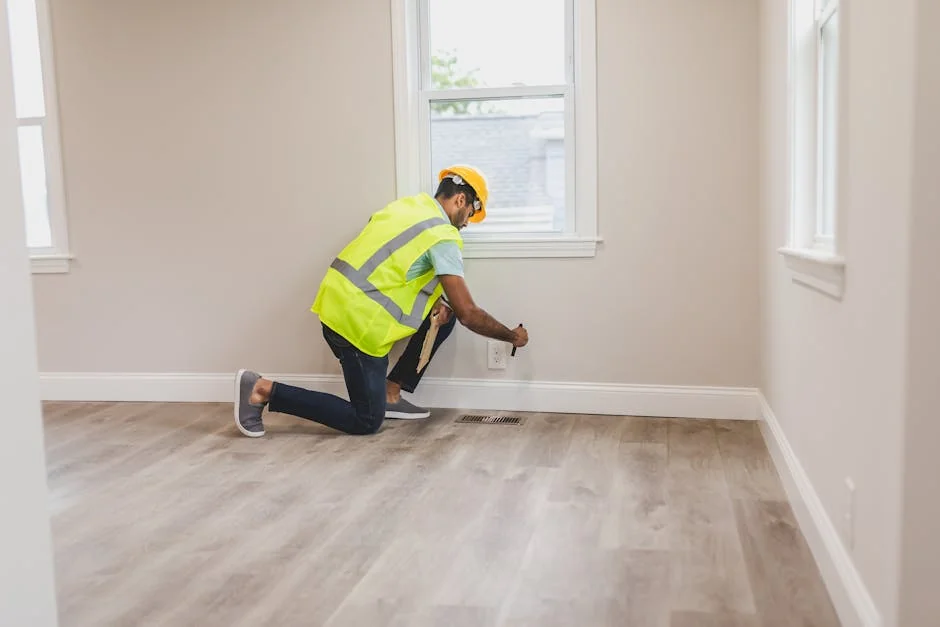
The most important best practices focus on life-safety systems, habitability, and structural integrity. Inspectors prioritize conditions that affect resident health and safety, not cosmetic upgrades. We advise homeowners to align every repair with published HUD and federal housing standards before the inspection date. Key regulations include:
- 24 CFR Part 5 Subpart G – Physical Condition Standards and Inspection Requirements – Establishes HUD’s requirements for decent, safe, sanitary housing. Non-compliance can result in failed inspections, corrective action mandates, and potential funding impacts.
- 24 CFR Part 200 Subpart P – Physical Inspection of Multifamily Properties – Governs inspection protocols and scoring for HUD-assisted properties. Failure may trigger re-inspection fees and oversight actions.
- HUD NSPIRE Standards (Current Version) – Details affirmative habitability requirements, emphasizing mold, fire safety, carbon monoxide alarms, and structural soundness. Violations may create immediate health and safety citations.
What to Fix First, Typical Costs, and Realistic Timelines
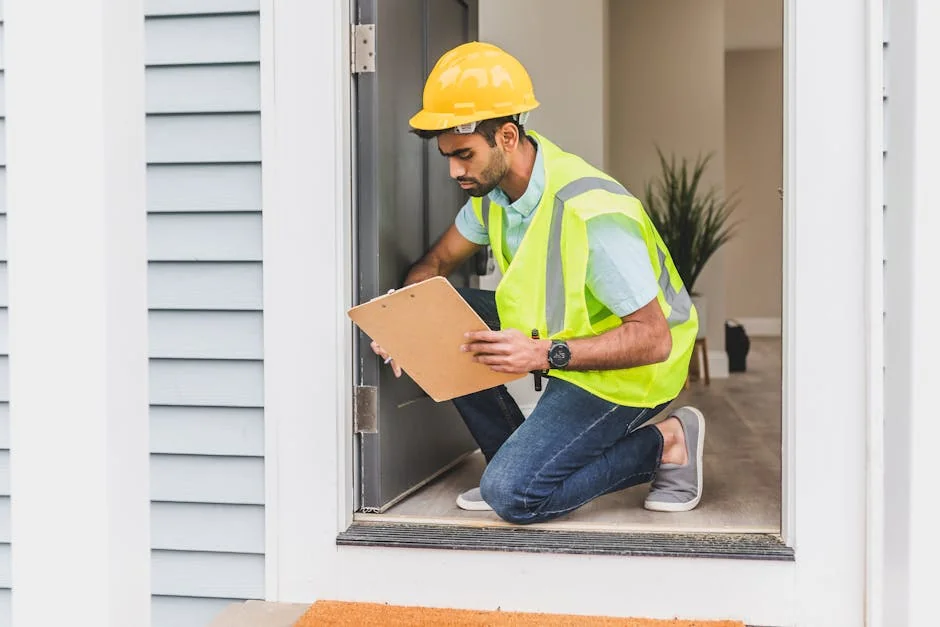
When deficiencies surface during a self-review or mock inspection, prioritize health and safety items first. These typically carry point deductions and mandatory correction timelines. Common repair categories include:
- Electrical hazards (open junction boxes, missing GFCI protection)
- Plumbing leaks and failed water heater relief valves
- Roof or ceiling water intrusion
- Inoperable smoke or carbon monoxide alarms
- Damaged handrails or loose guardrails
Schedule a Professional REAC Readiness Evaluation
If you want absolute confidence before inspection day, now is the time to act. Reac Nspire Consulting delivers comprehensive mock inspections that mirror official HUD and NSPIRE scoring standards, giving you a clear, accurate picture of where your property stands. We identify high risk deficiencies, prioritize life safety concerns, and provide step by step corrective action plans that protect your score and your funding. Our team works alongside owners, managers, and maintenance staff to streamline repairs, eliminate guesswork, and ensure every unit meets compliance expectations. A proactive readiness assessment costs far less than failed inspections, reinspection fees, delayed payments, or reputational damage. Every day you wait increases your risk. Take control of your outcome instead of reacting to citations. Schedule your professional assessment today and move into your inspection window organized, prepared, and fully confident in your results.
FAQs
What is the most common reason properties fail a REAC inspection?
The most common failures during inspections involve life-safety deficiencies rather than cosmetic concerns. In our experience, inoperable smoke alarms, missing carbon monoxide detectors, exposed electrical wiring, and blocked egress routes account for a significant percentage of point deductions. Inspectors are trained to prioritize resident safety, so even one missing or malfunctioning device can impact the overall score. Water intrusion, visible mold-like conditions, soft or deteriorated flooring, and tripping hazards greater than 1/2 inch are also frequently cited. Many property owners overlook small details such as missing outlet cover plates, loose light fixtures, cracked switch covers, or unsecured handrails, yet these are considered clear safety hazards under HUD standards. Conducting a systematic, unit-by-unit inspection is one of the most effective preparation strategies. Using a detailed checklist along with basic tools such as a GFCI tester, flashlight, ladder, and moisture meter allows you to identify deficiencies before the official review. Preparing for how to pass a REAC inspection on the first try means addressing health and safety systems first, then handling cosmetic improvements once critical risks are resolved.
How far in advance should we start preparing for a REAC inspection?
Preparation should begin as soon as you receive notice of the inspection, and ideally several weeks before the expected visit. A proactive timeline reduces stress and gives you flexibility to address both minor corrections and more complex repairs. We recommend conducting a comprehensive property walk-through 30 to 60 days before the anticipated inspection window. This early review provides adequate time to identify deficiencies, obtain repair estimates, order necessary materials, and schedule licensed contractors if specialized work is required. It also allows time for reinspection of completed items to confirm compliance. Smaller properties with fewer systems may only require two to three weeks of preparation, especially if maintenance has been consistent throughout the year. In contrast, larger, older, or multi building properties often need additional lead time due to deferred maintenance, aging infrastructure, or more extensive documentation requirements. Beginning early also allows you to properly test life safety systems such as emergency lighting with a 90-minute battery test, HVAC performance, and water heater temperature and pressure relief valves. Waiting until the final week significantly limits your ability to resolve structural, mechanical, or electrical issues thoroughly and may result in avoidable inspection findings.
How much does it cost to prepare for a REAC inspection?
Preparation costs can vary significantly depending on the overall condition, age, and maintenance history of the property. Minor readiness work – such as replacing outdated smoke alarms, patching and painting small drywall areas, tightening loose fixtures, or repairing minor plumbing leaks – often falls between $500 and $3,000. These types of improvements are generally straightforward and can usually be completed within a few days. However, if the property requires more substantial updates, expenses can increase accordingly. Larger projects such as roof repairs or replacement, HVAC system upgrades, electrical panel improvements, foundation stabilization, or plumbing line corrections may range from $5,000 to $25,000 or more depending on labor rates and material quality. Costs are influenced by site accessibility, permitting requirements, and the overall scope of deficiencies discovered during inspection. Properties with deferred maintenance, aging mechanical systems, or prior water intrusion often require higher investment levels. Timelines can range from several days for minor work to multiple weeks for structural or mechanical improvements. All figures provided are general benchmarks for planning purposes only and do not represent a binding estimate. A comprehensive on site evaluation is necessary to prepare an accurate and finalized proposal.
Can homeowners handle REAC preparation themselves, or should they hire professionals?
Homeowners can often take care of minor items themselves if they feel comfortable handling basic maintenance tasks and understand general safety practices. Simple improvements such as replacing smoke alarms, installing outlet cover plates, tightening loose door hardware, adding weather stripping, and clearing egress pathways are typically manageable without specialized training. These small corrections can improve safety and help a property perform better during an evaluation. However, more complex issues should not be approached casually. Electrical panel modifications, structural repairs, HVAC servicing, and plumbing corrections involving gas lines or water heaters require licensed professionals who understand current building codes and safety standards. Attempting these repairs without proper qualifications can create serious hazards and may still result in a failed inspection if the work does not meet code requirements. In many cases, homeowners correct visible concerns but overlook hidden deficiencies such as improper TPR valve discharge piping, missing GFCI protection, or inadequate attic ventilation. A professional mock inspection offers an objective, comprehensive assessment and significantly reduces the risk of missed scoring items.
What warning signs should we look for before an inspection?
Warning signs of potential inspection failures often surface well before an official visit, giving property owners time to correct issues if they remain attentive. Flickering or dimming lights can point to outdated wiring, overloaded circuits, or loose electrical connections that require prompt evaluation. Persistent musty odors, bubbling paint, or stains on ceilings and walls frequently indicate hidden roof leaks or plumbing failures that may lead to structural damage or mold growth. Loose stair rails, cracked sidewalks, uneven flooring, and damaged handrails create serious tripping hazards that inspectors carefully assess for safety compliance. Water heaters are another common source of citations, particularly when discharge piping does not extend to within six inches of the floor or lacks proper drainage configuration. Smoke alarms and carbon monoxide detectors should be tested monthly, with batteries replaced as needed and full units replaced according to manufacturer guidelines, often every 10 years for sealed lithium models. Ensure all windows open smoothly to meet emergency egress standards and confirm that locks function securely. Conducting thorough quarterly maintenance walkthroughs helps identify small deficiencies early, reduces costly emergency repairs, and significantly improves overall inspection readiness.
What areas of the property do REAC inspectors evaluate?
Inspectors evaluate five primary areas during a REAC inspection: site, building exterior, building systems, common areas, and dwelling units. The site category includes sidewalks, curbs, parking lots, driveways, lighting, fencing, playgrounds, and drainage conditions. Inspectors look for trip hazards, erosion, standing water, and damaged pavement that could create safety concerns. The building exterior covers roofing, gutters, downspouts, walls, foundations, doors, and windows. Damaged siding, missing shingles, broken seals, or deteriorated entry doors can all result in point deductions. Building systems are a critical component of the inspection and include electrical panels, domestic water systems, sanitary systems, fire alarms, sprinkler systems, elevators, and HVAC equipment. Inspectors check for proper operation, visible leaks, exposed wiring, and code compliance. Common areas such as hallways, stairwells, community rooms, and laundry facilities are assessed for lighting, handrails, trip hazards, and fire safety features. Inside individual units, inspectors review walls, ceilings, floors, kitchens, bathrooms, outlets, smoke detectors, and other life safety devices. Each deficiency is assigned a weighted score based on severity and location. Health and safety violations often require immediate correction. Preparing for how to pass a REAC inspection on the first try means thoroughly reviewing and addressing issues in every category, not just interior spaces.
What should we look for when hiring a REAC preparation consultant?
Look for professionals who have direct experience with HUD REAC and NSPIRE protocols rather than relying on general home inspectors who may not understand the specific federal standards. Ask whether they conduct detailed mock inspections that follow HUD scoring methodology and mirror the structure of an actual inspection. Confirm that they provide comprehensive written deficiency reports that include clear photo documentation, location details, and references to applicable standards. It is important to verify their experience with federally assisted housing requirements and their working knowledge of 24 CFR regulations. Inquire about how they interpret common deficiencies and how they distinguish between advisory items and true score impacting findings. Confirm that they maintain appropriate liability insurance and, when required, coordinate with licensed electricians, plumbers, or other qualified trades to ensure code compliant repairs. Request examples of previous readiness plans and ask how they prioritize life safety corrections, documentation, and follow up verification. A structured, methodical process supported by detailed checklists and written reporting provides far greater value than a brief walk through with informal verbal feedback.
What should we do if we discover problems right before inspection day?
If problems arise shortly before an inspection, focus first on correcting conditions that pose immediate life-safety risks. Replace any nonfunctioning smoke alarms or carbon monoxide detectors right away and confirm they are properly installed with fresh batteries. Tighten or secure loose handrails on stairs and balconies, and ensure guardrails are stable and code compliant. Address exposed wiring by installing appropriate junction box covers and securing loose electrical components. Remove clutter from hallways and stairwells to maintain clear exit paths, and eliminate obvious trip hazards such as loose flooring or debris. Take clear, time-stamped photos of all completed repairs to demonstrate prompt corrective action. Avoid rushing complex structural, plumbing, or electrical repairs that require permits or licensed professionals, as incomplete or substandard work can still result in citations. If a major system fails, such as heating, cooling, or plumbing, contact qualified contractors immediately and keep records of service requests and invoices. While inspections are often routine, visible hazards demand urgent attention to reduce liability, protect occupants, and minimize potential penalties. Schedule a follow-up review to confirm all corrections meet applicable standards.