
Field experience on live inspections
Learn it standing in the basement
Watching an experienced inspector work through a real property teaches what no manual does: not just what a deficiency is, but how it gets recorded and why it scores the way it does.
—
Who this is for
Two groups get the most from it
Shadowing is usually pitched at people entering the profession, and it works for them. It also does something valuable for in-house maintenance staff, which is worth saying plainly because most training offers do not.
For anyone new to inspection, field time is the gap between passing an exam and being useful. Several states require documented supervised experience before licensing, and even where they do not, standing in a basement while somebody explains what a crack means is not replaceable by reading.
For a maintenance team, the value is different. Your staff already know how to fix things. What they often cannot see is why a repair they consider finished still records a deficiency, because that judgement lives in HUD's published standards and in how those standards are read. A day of shadowing changes how they close work orders for good.
Either way this is structured observation on live assessments, not a classroom course. It sits alongside our NSPIRE inspection and HQS inspection work under our inspection services, because the sessions happen on real jobs.
What happens
What shadowing consists of
On-site observation
You attend live property assessments with a working inspector. You see how a property is approached, how each area is covered in sequence, and how tools are actually used rather than described.
Hands-on walkthrough
Your mentor talks through each system as it is examined, from roof to foundation, electrical to plumbing to HVAC, explaining what is being judged and against which standard.
Questions, throughout
The point of shadowing is the running commentary. Ask why something matters, how hidden damage is spotted, why one finding scores and a similar one does not.
Report review
Findings are worth nothing undocumented. You see how a report is structured, how a deficiency is described so it survives scrutiny, and how results are communicated.
Becoming a HUD inspector
Where shadowing sits in the route in
There is no single national licence for HUD physical inspection work, which is why the path looks vaguer than it is. In practice it runs roughly like this, and field time is the step people most often try to skip.
Learn the standards, not a checklist
HUD publishes a separate standard for every inspectable item, each with its own deficiency list, severity rating and applicable locations. Reading them the way an inspector reads them is the actual skill, and HUD publishes guidance on doing so precisely because it is not obvious.
Check what your state requires
Home inspection licensing is regulated at state level and varies widely, with several states specifying a number of supervised inspections. Your state board's current rules are the only reliable source, and they change.
Get supervised field time
This is where shadowing fits. Live assessments with a working inspector, documented, so the hours can be evidenced. It is also where you discover which parts of the standards you thought you understood.
Learn to write findings that hold
A deficiency recorded loosely gets argued away or fails on appeal. Description, severity, location and photograph all have to line up. Employers screen for this more than for exam results.
Specialise
NSPIRE, legacy REAC scoring and HQS are related but not interchangeable, and the voucher programmes are on a different timetable from public housing and multifamily. Knowing which applies where is what separates a competent inspector from a fast one.
General guidance only. Licensing requirements are set by individual states and change; verify with your own state board before committing time or money.
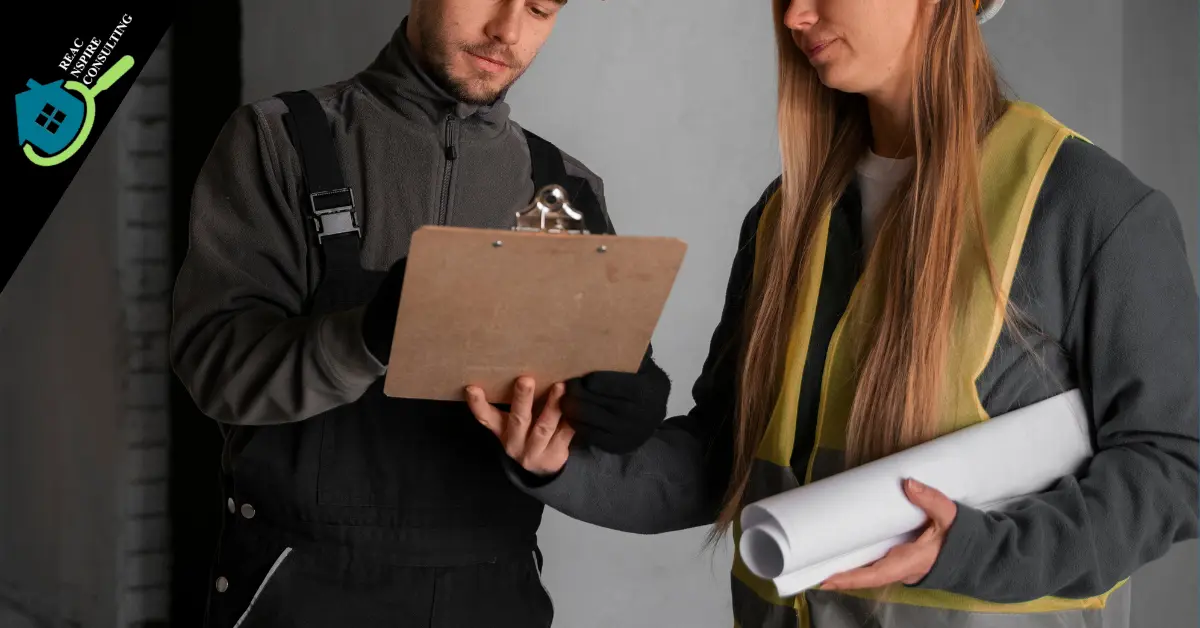
For new inspectors
Field experience that counts towards licensing
Requirements vary by state, and several specify a number of supervised inspections before you can be licensed. Our sessions are structured and documented with that in mind, so time spent is time you can evidence.
Beyond the paperwork, the first solo inspection is easier if it is not the first inspection you have ever seen. Confidence in this trade comes from having watched somebody competent make the same judgements you are about to make.
- Structured, documented sessions
- Live assessments, not simulations
- Length shaped by your state requirements and goals
- No prior experience needed to start
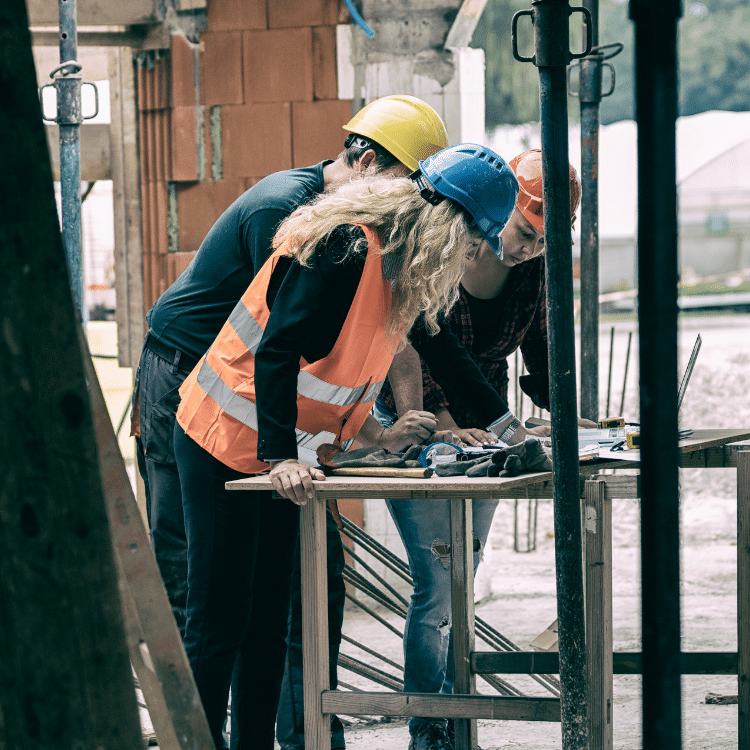
For maintenance teams
Why your repairs keep scoring
This is the version most property managers have never been offered. Send a maintenance lead out with an inspector for a day and they stop closing work orders on the basis of what looks finished.
It is the cheapest compliance training available, because it changes the default judgement of the person who touches every deficiency on your site. Where the underlying issue is scheduling rather than knowledge, preventive maintenance is the other half of the answer.
And where the same findings recur across several properties, the problem is usually a specification or a supplier rather than eight separate lapses. That is REAC consulting territory.
One day, one maintenance lead, and every work order after it gets closed differently.
What you see
Covered during a session
Whatever the live assessment covers, which is the point. Judgements are explained against the standards being applied as they are being made.
How a property is sequenced and sampled
Roof, envelope and structural assessment
Electrical panels, outlets and protection
Plumbing, water heaters and leak tracing
HVAC performance testing
Alarms and life-safety systems
Egress, doors, windows and locks
Common areas and site conditions
Severity judgements and why they differ
How location changes a deduction
Writing a defensible deficiency description
Communicating findings to an owner
Want your maintenance lead to see an inspection from the other side?
Questions
Inspector shadowing FAQs
How long does the programme last?
It depends on your state's requirements and what you are trying to achieve. Some people complete their field experience in a few weeks; others spread sessions over longer while working.
Maintenance staff attending for professional understanding often get what they need from one or two days.
How do I become a REAC or NSPIRE inspector?
There is no single national licence for HUD physical inspection work. In practice the route is: learn the published standards properly, check what your own state requires for home inspection licensing, get documented supervised field time, and learn to write findings that survive scrutiny.
Shadowing covers the third and fourth of those. The first is reading, and the second only your state board can answer.
Is this the same as REAC inspector training?
It is the field half of it. Classroom training teaches you the standards; shadowing teaches you how they are applied when a real property disagrees with the manual.
Most people need both, and the order matters less than doing the field time with somebody who will explain their reasoning as they go.
Do I need prior experience?
No. Sessions are built for people starting out, and your mentor pitches the commentary to what you already know. Coming in with trade experience changes what you get from it, not whether you can take part.
Will this satisfy state licensing requirements?
It is structured and documented for that purpose, but requirements differ by state and change. Check your own state board's current rules before committing, and tell us what they specify so we can structure sessions to match.
Can maintenance staff attend rather than trainee inspectors?
Yes, and we would encourage it. A maintenance lead who has watched how findings are recorded and scored closes work orders differently afterwards.
It is among the most cost-effective compliance training a property can buy, because it changes the judgement of the person who touches every deficiency on site.
Will this help me get hired as an inspector?
Documented field experience is what most employers in this field actually screen for, so it helps. We are not a placement service and will not promise a job.
You will finish with experience you can point to and an understanding of how HUD inspections are conducted.