
NSPIRE Inspection Little Rock: 2026 Local Guide for Property Owners
May 14, 2026
- By
- Reac Nspire Consulting
- NSPIRE Inspection Consultants
What should you look for before scheduling an NSPIRE inspection? At Reac Nspire Consulting, we’ve been helping property owners navigate NSPIRE inspections in Little Rock for years of experience, and we’ve seen how preparation decisions directly impact funding and compliance outcomes. This NSPIRE Inspection Little Rock: 2026 Local Guide walks you through what to prioritize, which red flags to avoid, and how to evaluate your options before HUD arrives. For a breakdown of scoring mechanics, visit our NSPIRE scoring guide. We’ve walked properties in Little Rock where a single overlooked life-safety issue – such as missing GFCI protection in a bathroom – resulted in a failing score and corrective action plan. NSPIRE is not a cosmetic checklist. It targets health, safety, and functional defects. Misunderstanding that distinction can delay funding, trigger re-inspections, and create avoidable repair costs.
Little Rock Code Alignment and HUD Enforcement

Little Rock properties must satisfy both HUD’s NSPIRE standards and locally adopted building and fire codes. The region’s high humidity, seasonal storms, and location within a moderate seismic zone increase scrutiny on structural integrity, electrical safety, and moisture intrusion. Inspectors often cross-reference visible deficiencies with applicable state and local codes.
- Arkansas Fire Prevention Code (2021 Edition) – Adopted statewide and enforced locally, this code incorporates the International Fire Code and International Building Code with Arkansas amendments. It governs fire alarms, means of egress, and smoke detection. Non-compliance can result in failed inspections, citations, and mandatory corrective action.
- Arkansas State Electrical Code (2020 National Electrical Code as adopted) – Requires proper GFCI and AFCI protection, correct panel labeling, and approved wiring methods. Electrical deficiencies are common NSPIRE findings and may create shock or fire hazards if ignored.
- City of Little Rock Building Codes (as adopted by ordinance) – The city enforces state-adopted codes and local amendments through its Planning & Development Department. Permits are required for most structural, electrical, plumbing, and mechanical work. Unpermitted repairs discovered during inspection can delay compliance.
What to Ask and What the Process Looks Like
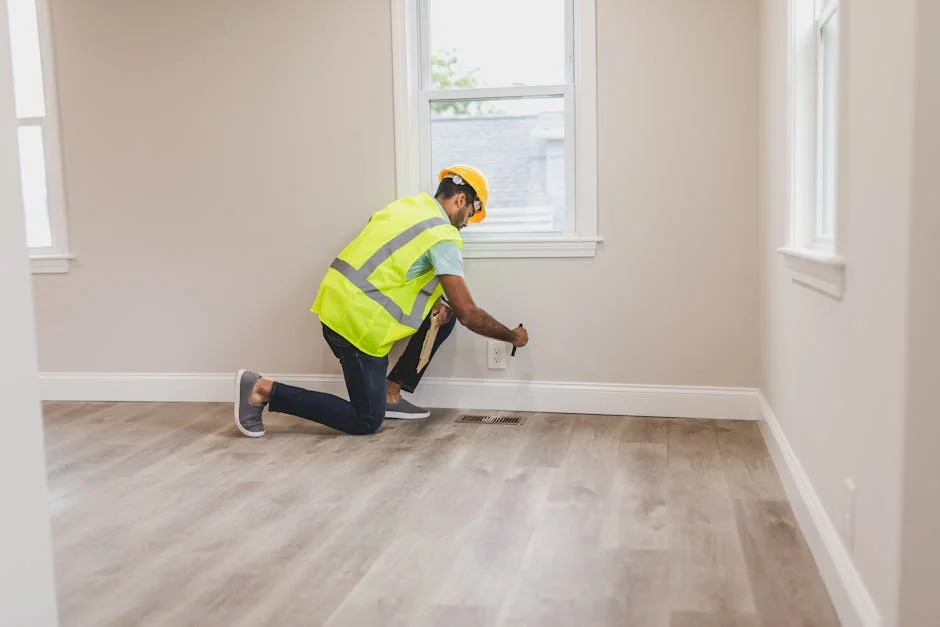
Preparation should begin 60 – 90 days before an anticipated inspection. We start with a mock inspection using HUD’s NSPIRE standards, documenting deficiencies with geo-tagged photos and severity levels. This allows owners to prioritize life-threatening and severe defects first. Key questions to ask a consultant or contractor:
- How do you classify deficiencies under NSPIRE severity levels?
- Will you provide a written corrective action plan tied to specific code references?
- Do you coordinate required permits with the City of Little Rock?
- How do you document completed repairs for audit purposes?
Make Informed Decisions Before HUD Arrives
Preparing for an NSPIRE inspection requires more than a checklist. It demands a clear understanding of HUD standards, Arkansas codes, and the specific risks that impact Little Rock properties. We help owners identify life-safety issues, document corrective actions, and coordinate compliant repairs before inspection day. If you’re evaluating your options, get expert guidance before committing to major repairs or waiting for a notice letter. A structured pre-inspection review can reduce reinspection risk, protect funding, and give your maintenance team a defined action plan. Let’s review your property and outline the steps that align with 2026 NSPIRE enforcement standards.
FAQs
What is included in an NSPIRE inspection in Little Rock?
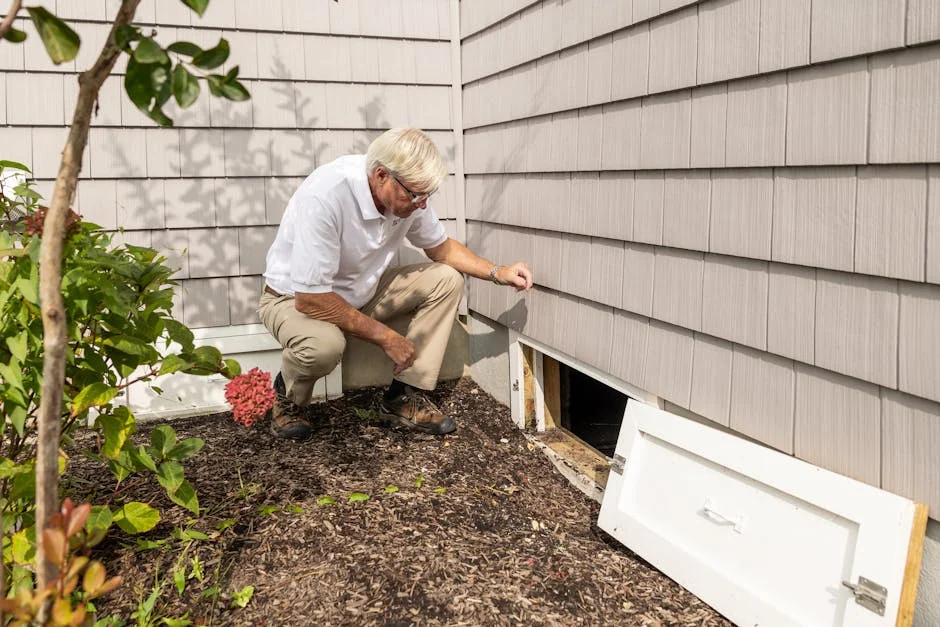
An NSPIRE inspection evaluates three core areas: inside units, inside common areas, and building exterior components. Inspectors focus on health and safety deficiencies such as inoperable smoke detectors, exposed wiring, trip hazards, blocked egress paths, water intrusion, and HVAC failures. In Little Rock, moisture-related issues are common due to humidity, so inspectors often flag leaks, mold-like conditions, and deteriorated sealants. HUD classifies deficiencies by severity – life-threatening, severe, moderate, and low. Life-threatening items, such as gas leaks or non-functioning smoke alarms, must typically be corrected within 24 hours. Inspectors also verify that systems comply with locally adopted codes, including Arkansas fire and electrical requirements. We recommend conducting a mock inspection using HUD’s published standards and testing devices with proper tools, such as GFCI testers and smoke alarm sensitivity testers. Documentation with photos and repair logs strengthens your compliance record if questions arise after scoring.
How is an NSPIRE score calculated?
HUD’s NSPIRE scoring model assigns point values based on the severity and location of deficiencies. Life-threatening deficiencies carry the greatest weight and can significantly reduce a property’s score. Conditions inside dwelling units often weigh more heavily than exterior cosmetic issues because they directly affect resident safety. The scoring system also considers whether deficiencies are widespread or isolated. For example, a single missing outlet cover plate has less impact than multiple units with electrical hazards. Inspectors record findings electronically, and the final score determines whether the property passes, requires corrective action, or faces potential funding consequences. We advise property managers to focus first on life-threatening and severe categories. Addressing those items improves overall scoring outcomes more effectively than spending resources on minor aesthetic upgrades. A structured pre-inspection walkthrough helps prioritize repairs strategically rather than reactively.
How much does NSPIRE inspection preparation cost in Little Rock?
Preparation costs vary depending on property size and condition. Consulting services for a small property may start around $1,500, while larger multi-building sites might range from $5,000 to $10,000 or more. Repair expenses can fluctuate widely. Minor electrical or plumbing corrections may cost a few hundred dollars per unit, while roofing, structural framing, or full fire alarm upgrades could reach five figures. Three primary factors influence pricing:
- Site complexity and number of units
- Material costs and contractor availability
- Total scope and severity of deficiencies
Can maintenance staff handle NSPIRE prep without a consultant?
Maintenance teams can address many routine items, such as replacing damaged outlet covers, testing smoke detectors, sealing minor plumbing leaks, and correcting door hardware issues. If staff members are trained on HUD’s NSPIRE standards and understand Arkansas code requirements, internal preparation can be effective for well-maintained properties. However, properties with recurring deficiencies, aging infrastructure, or past failed inspections often benefit from third-party oversight. Consultants bring familiarity with scoring trends, documentation practices, and common inspector focus areas. We have seen cases where maintenance teams fixed visible problems but overlooked concealed electrical junction box violations or improper dryer vent terminations, which later resulted in point deductions. A balanced approach works best: use internal staff for straightforward corrections and involve professionals for system-level reviews, especially when life-safety components or major building systems are involved.
What warning signs suggest a property may fail an NSPIRE inspection?
Frequent work orders related to electrical outlets, water leaks, HVAC breakdowns, or door hardware are early warning signs. If residents report recurring moisture under sinks or ceiling stains after storms, inspectors are likely to find active deficiencies. In Little Rock, roof penetrations and improperly sealed flashing often lead to repeat moisture findings. Other red flags include missing GFCI protection in kitchens and bathrooms, expired fire extinguishers in common areas, unsecured handrails, and blocked emergency exits. We also recommend checking panel directories – illegible or inaccurate labeling can trigger electrical citations. Routine quarterly walkthroughs using a standardized checklist help catch these issues early. Testing devices with proper tools instead of visual checks alone significantly reduces surprises during official inspections. Addressing small problems promptly prevents them from escalating into severe or life-threatening findings.
What common NSPIRE issues occur in Little Rock properties?
Moisture intrusion is one of the most frequent issues we encounter. Little Rock’s humidity and seasonal storms contribute to roof leaks, deteriorated caulking, and condensation around HVAC systems. Over time, these conditions damage drywall, insulation, and framing, creating health-related findings. Electrical deficiencies are also common, especially in older properties with outdated panels or ungrounded receptacles. Inspectors often cite missing GFCI or AFCI protection where required under Arkansas-adopted electrical codes. Trip hazards from uneven sidewalks or damaged stair treads are additional concerns. We also see deficiencies tied to deferred exterior maintenance, such as rotted fascia boards or unsecured handrails. Proactive seasonal inspections – especially after heavy rainfall – help reduce repeat citations. Addressing weather-related wear early is particularly important in this region to maintain compliance and preserve building durability.
What should I look for when hiring an NSPIRE consultant in Little Rock?
Start by confirming that the consultant understands HUD’s NSPIRE framework and how it differs from older REAC protocols. Ask for examples of past mock inspection reports and how deficiencies are categorized by severity. The consultant should demonstrate familiarity with Arkansas Fire Prevention Code requirements and locally enforced building standards. Verify that any recommended contractors hold appropriate Arkansas licenses for electrical, plumbing, or mechanical work. Insurance coverage and documented safety procedures are equally important. We recommend requesting a written scope of services outlining deliverables, timelines, and documentation methods. Clear communication matters. A qualified consultant should explain not only what needs correction, but why it affects scoring and compliance. Transparent reporting and practical prioritization are essential for protecting funding and avoiding unnecessary repair expenses.
What should I do if I receive notice of an upcoming NSPIRE inspection?
Start by reviewing past inspection reports and identifying unresolved deficiencies. Conduct an immediate walkthrough focusing on life-safety items: test smoke and carbon monoxide detectors, verify GFCI protection, inspect egress pathways, and check for active leaks. Document findings with photos and written notes. If you identify conditions that could be classified as life-threatening – such as exposed wiring or gas odors – arrange prompt repairs with licensed professionals. Coordinate any required permits through the City of Little Rock to avoid compliance delays. Avoid last-minute cosmetic upgrades that do not address safety or functionality. Instead, prioritize documented corrections of high-severity items. Scheduling a structured pre-inspection review can help validate readiness and reduce the likelihood of unexpected point deductions when the official inspection occurs.