
NSPIRE Inspection Cost in Alaska (2026 Guide)
June 23, 2026
- By
- Reac Nspire Consulting
- NSPIRE Inspection Consultants
A property owner recently called us after receiving a low NSPIRE score that threatened their HUD funding. At Reac Nspire Consulting, we’ve been helping clients navigate NSPIRE inspection cost in Alaska (2026 guide) questions for years of experience, and we’ve noticed the same pattern: owners underestimate how detailed these inspections have become. One overlooked electrical panel, one missing GFCI near a sink, or one unsealed penetration in a mechanical room can trigger point deductions and reinspection fees. We’ve seen how quickly small issues turn into expensive delays, especially when winter conditions in Alaska limit repair windows. Understanding the full scope – before inspection day – protects funding and avoids repeat visits. For background on inspection readiness, review our NSPIRE inspection preparation checklist.
How State and Federal Rules Affect NSPIRE Inspection Cost in Alaska (2026 Guide)
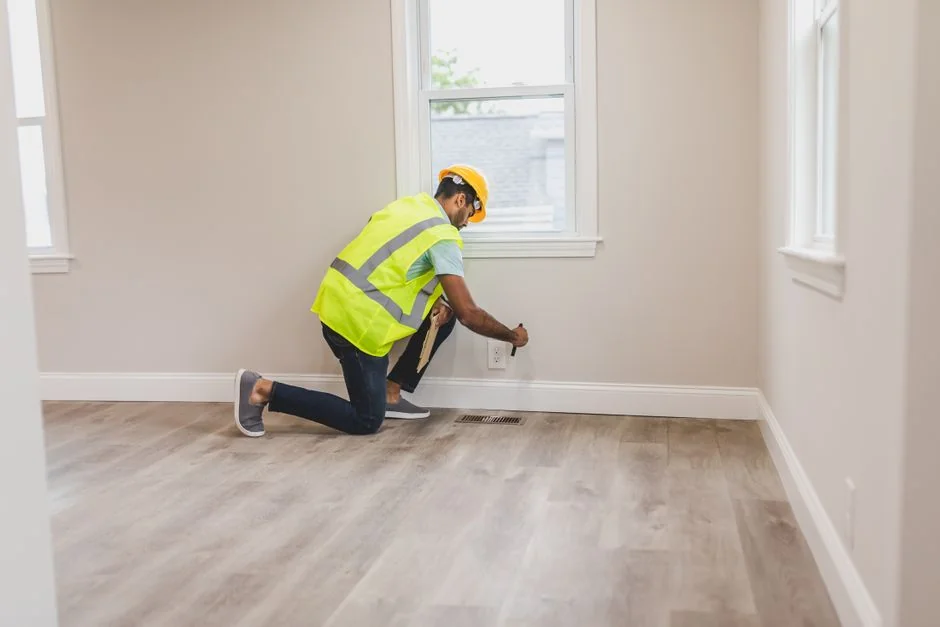
Alaska’s extreme cold, seismic exposure, and long heating seasons directly affect building performance and inspection outcomes. Inspectors pay close attention to structural integrity, safe egress, and heating reliability because failure in winter conditions can create immediate life-safety risks. Properties participating in HUD programs must meet both federal NSPIRE standards and applicable Alaska-adopted building codes.
- HUD NSPIRE Standards (Effective 2023 – Current) – Requires functional smoke/CO alarms, GFCI protection in wet areas, secure handrails, and no exposed wiring. Non-compliance can result in point deductions, mandatory reinspections, abatement of subsidy payments, and potential enforcement actions.
- Alaska Administrative Code Title 13 – Fire Prevention Code (Verify current adopted edition with the local building department) – Enforces fire safety systems, egress requirements, and alarm installations. Violations can trigger failed inspections and fire marshal citations.
- Alaska-adopted International Building Code and International Residential Code (Current edition as adopted by the State Fire Marshal; verify locally) – Governs structural safety, seismic design categories, guardrail heights, and mechanical systems. Deficiencies can lead to correction orders and insurance complications.

What Typically Influences NSPIRE Inspection Cost in Alaska
NSPIRE inspection cost in Alaska (2026 guide) planning depends on property size, condition, and readiness. Pre-inspection consulting for small properties may start around a few thousand dollars, while large multifamily portfolios can range significantly higher depending on unit count and travel logistics across Alaska. Key variables include:
- Site complexity and number of buildings or scattered units.
- Material and contractor costs, especially in remote areas.
- Total scope of repairs needed before the official inspection.
Schedule a Pre-Inspection Assessment
If your property is preparing for a HUD review, we can evaluate high-risk areas before the official visit. Our team conducts detailed pre-NSPIRE assessments, identifies point-loss risks, and outlines corrective steps with clear documentation. A proactive inspection often costs far less than a failed score and reinspection cycle. Let’s review your property conditions and build a plan that protects funding and keeps units compliant.

FAQs
What is included in NSPIRE Inspection Cost in Alaska (2026 Guide)?
NSPIRE inspection cost in Alaska (2026 Guide) typically includes a pre-inspection walkthrough, documentation of deficiencies, photo reporting, and a corrective action plan. Some consulting packages also include follow-up verification after repairs. Costs may increase if properties are remote or require coordination with licensed electricians, plumbers, or HVAC contractors. Travel logistics across Alaska can affect scheduling and pricing. Always confirm whether reinspection support and documentation review are included so you are not surprised by additional service fees later.
How is NSPIRE different from the old REAC inspections?
NSPIRE places stronger emphasis on health and safety inside dwelling units rather than just exterior or common-area conditions. Inspectors now focus on functional smoke alarms, GFCI protection, mold-like conditions, guardrails, and working heating systems. Scoring is defect-based and weighted by severity. In Alaska, heating reliability and moisture control receive close attention due to climate risks. Properties that previously passed under older REAC criteria sometimes see lower scores under NSPIRE because standards are more detailed and enforcement is stricter.
How much does NSPIRE inspection preparation typically cost in Alaska?
Preparation costs may range from a few thousand dollars for small properties to significantly more for large multifamily portfolios. Pricing fluctuates based on site complexity, material and contractor costs, and total scope of identified repairs. Remote Alaska locations may increase travel and logistics expenses. Timelines can range from a few weeks for minor corrections to several months if structural or mechanical upgrades are required. These figures are preliminary benchmarks for informational purposes only and do not constitute a binding quote. An on-site evaluation is required for a final proposal.
Can property managers handle NSPIRE preparation themselves?
Basic preparation – such as replacing missing outlet covers, installing approved smoke alarms, or correcting minor trip hazards – can often be handled internally. However, electrical panel issues, structural concerns, or systemic moisture intrusion typically require licensed professionals. NSPIRE scoring can be unforgiving, and misinterpreting a standard may lead to repeat deficiencies. Many managers use internal staff for minor items and bring in professional support for system-level risks to avoid reinspection costs and funding delays.
What are common warning signs before an NSPIRE inspection?
Frequent breaker trips, inoperable bathroom exhaust fans, soft flooring near tubs, missing handrail returns, and expired smoke alarms are common red flags. In Alaska, frost buildup in attics and uneven heating between units can signal insulation or ventilation deficiencies. Conducting a documented walkthrough with outlet testers, ladder access to attics, and CO alarm date checks helps identify problems early. Addressing these items before the inspection reduces the likelihood of point deductions and mandatory reinspections.
What issues are most common in Alaska properties?
We often see moisture-related damage, inadequate ventilation, and heating system deficiencies due to extended winter conditions. Ice damming can lead to ceiling stains that inspectors classify as potential moisture intrusion. Crawl spaces may show insulation gaps or vapor barrier damage. Seismic considerations also mean inspectors pay attention to guardrail stability and structural connections. Regular seasonal maintenance and documented repairs help reduce these recurring deficiencies in Alaska properties.
What should I look for when hiring NSPIRE consultants?
Look for consultants familiar with HUD NSPIRE standards and Alaska-adopted building codes. They should provide written reports, photo documentation, and clear corrective guidance. Confirm they understand local permitting requirements and coordinate with licensed trades when needed. Insurance coverage and experience with multifamily HUD properties are essential. Ask how they handle follow-up verification before the official inspection to ensure corrections meet the required standard the first time.
When should I schedule a pre-NSPIRE inspection?
Schedule a pre-inspection at least 60 – 90 days before an anticipated HUD visit. This allows time to obtain permits, order materials, and complete licensed repairs. While NSPIRE issues are rarely emergencies, exposed wiring, inoperable smoke alarms, or heating failures in winter should be corrected immediately for safety reasons. If you notice repeated deficiencies from prior inspections, schedule professional support early to prevent a cycle of reinspection and added costs.