
NSPIRE Life-Threatening Deficiencies: What Property Owners Must Fix Immediately
March 9, 2026
- By
- Reac Nspire Consulting
- REAC and NSPIRE Compliance Specialists
At Reac Nspire Consulting, we have guided property owners, managers, and housing providers through NSPIRE and REAC compliance for years. Throughout that time, we have consistently seen confusion around which deficiencies demand immediate correction and which items can reasonably be scheduled for later repair. Understanding this distinction is critical. Failing to address a life-threatening deficiency before an inspection can result in failed scores, costly reinspections, funding delays, and added stress for ownership teams. This guide clearly explains the NSPIRE life-threatening deficiencies list so you can prioritize repairs with confidence and avoid expensive mistakes. We have seen inspections paused because of a single missing GFCI outlet near a sink, which inspectors correctly classified as life-threatening. In another situation, a property owner believed minor electrical concerns could be resolved after the inspection, only to face reinspection fees and compliance setbacks. Situations like these are preventable. Before any scheduled inspection, reviewing resources such as why you should consider a pre nspire inspection can help you identify urgent deficiencies early and correct them before they impact your results.
Comparing repair approaches, compliance standards, and warning signs

The most effective way to approach life-threatening findings is to correct them to code – not just to pass inspection, but to eliminate the underlying hazard. Temporary fixes often trigger repeat findings during reinspection.
- Permanent electrical repairs vs. temporary patches – Installing a proper junction box with a UL-listed cover and securing conductors with wire nuts meets NEC standards. Wrapping exposed wires in tape may look resolved but fails inspection and creates fire risk.
- Hardwired interconnected alarms vs. battery-only units – In properties where building code requires interconnected systems, standalone battery alarms are insufficient. Quality service includes verifying manufacture dates (most units expire after 10 years) and testing sound levels.
- Licensed gas fitting vs. handyman adjustments – Gas line repairs should comply with International Fuel Gas Code (IFGC). We’ve seen flexible connectors kinked behind ranges; replacing them with approved stainless steel connectors eliminates leak risk and inspection failure.
- Documented correction vs. undocumented repair – Taking timestamped photos, keeping invoices, and retaining product cut sheets ensures proof of compliance if HUD requests verification.
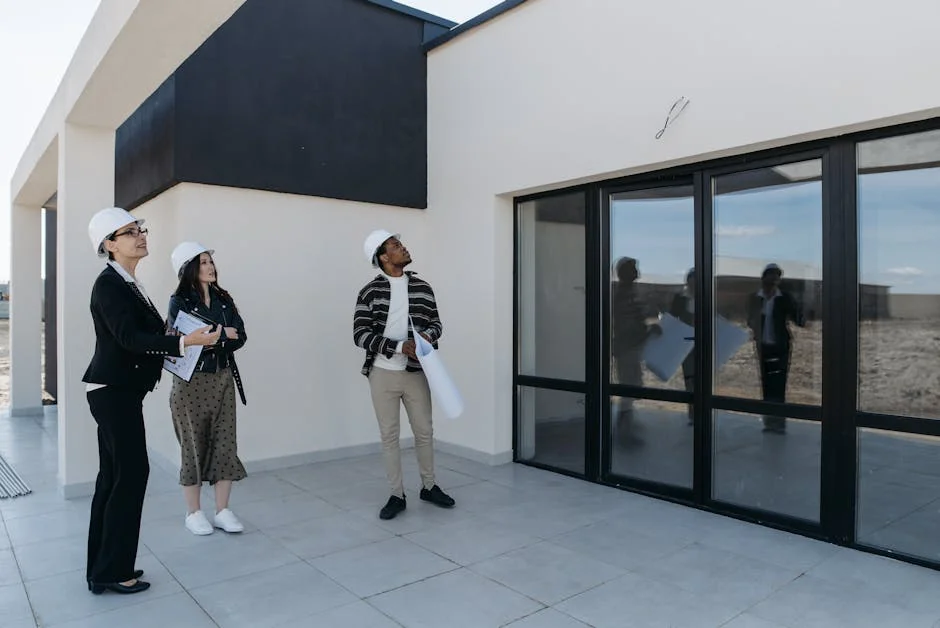
What to ask, what to expect, and how the process unfolds
Life-threatening deficiencies demand structured response, not guesswork. We guide homeowners through a clear correction process so repairs are fast and defensible.
- Ask what code applies – Confirm whether the issue falls under NEC, NFPA 72, or IFGC standards and request the specific code reference. This ensures the fix aligns with HUD’s NSPIRE protocol.
- Clarify response time – Life-threatening items typically require correction within 24 hours. Electrical repairs such as GFCI replacement may take under an hour, while panel or gas line repairs could require half a day.
- Request scope and cost breakdown – Minor electrical corrections may range from $150 to $500. Gas line repairs might range from $300 to $1,200. Costs fluctuate based on site complexity, material costs, and total scope.
- Document everything – Before-and-after photos, receipts, and technician notes protect you if HUD requests proof of correction.
Don’t Wait Until Inspection Day
Life-threatening deficiencies are not minor technicalities – they are serious hazards that can trigger failed inspections, costly reinspection fees, funding delays, and reputational damage. Waiting until an inspector identifies the problem puts your property and your timeline at risk. Take control now. Reac Nspire Consulting evaluates your electrical systems, life-safety components, gas appliances, and high-risk areas using the same standards HUD inspectors apply. We identify vulnerabilities early, prioritize corrective actions, and provide clear documentation to support compliance. You gain clarity, confidence, and a focused plan that protects residents while safeguarding your funding. Every day you delay increases the chance of unexpected findings and expensive emergency repairs. Contact us now to schedule a structured assessment and receive practical, step-by-step guidance. Proactive action today prevents costly consequences tomorrow.

FAQs
What qualifies as a life-threatening deficiency under NSPIRE?
A life-threatening deficiency under NSPIRE is any condition that creates an immediate and substantial risk of serious injury or death for residents or guests. These are not minor maintenance concerns but urgent safety hazards that demand prompt correction. Common examples include exposed or damaged electrical wiring, missing, disabled, or nonfunctional smoke alarms, active gas leaks, blocked or locked emergency exits, and inoperable carbon monoxide detectors. Other qualifying issues may involve sparking panels, severe structural instability, or conditions that significantly increase the likelihood of fire or toxic exposure. HUD requires that life-threatening deficiencies be addressed within a strict timeframe, often within 24 hours of identification. This classification is based on established standards rather than personal judgment. Inspectors rely on HUD NSPIRE criteria along with nationally recognized codes such as the National Electrical Code and NFPA 72. If a condition could reasonably result in fire, electrocution, carbon monoxide poisoning, structural collapse, or prevent safe evacuation during an emergency, it typically meets the life-threatening threshold. Property owners and managers should treat these findings as immediate safety priorities requiring documented and verifiable corrective action.
How quickly do I have to fix a life-threatening NSPIRE deficiency?
HUD generally requires correction of life threatening deficiencies within 24 hours of identification to protect residents and preserve program compliance. Prompt action is not optional, and documentation of the completed repair is often required. Acceptable documentation may include clear before and after photos, paid invoices, detailed work orders, or written statements from licensed contractors verifying that the hazard has been fully corrected. Thorough records help demonstrate compliance during follow up reviews or audits. Delaying corrective action increases both resident safety risks and regulatory exposure. For example, a missing GFCI outlet near a sink or other water source can expose occupants to electrical shock if moisture contacts energized components. A disconnected or damaged flue vent may allow carbon monoxide to accumulate indoors, creating a serious health threat. Even if no injury occurs, failure to resolve deficiencies within the required timeframe can result in reinspection, administrative findings, payment delays, or other funding related consequences. Scheduling qualified professionals immediately is the most responsible and effective course of action.
How much does it cost to correct common life-threatening deficiencies?
Costs vary depending on the type, location, and severity of the issue identified during the inspection. For example, replacing a single smoke or carbon monoxide alarm may start around $40 to $150 per unit, depending on the model and whether hardwiring is required. Installing a new GFCI outlet typically ranges from $150 to $500, based on accessibility, wiring conditions, and panel capacity. Gas line repairs, vent connector corrections, or similar mechanical adjustments may range from $300 to $1,200 or more, especially if wall or ceiling access is necessary to complete the work safely and in compliance with code requirements. Pricing can fluctuate due to site complexity, material availability, permit requirements, and the total scope of work across one or multiple units. Emergency or expedited scheduling may also increase labor costs. While some deficiencies appear minor, delaying repairs can lead to reinspection fees, compliance delays, or funding impacts that ultimately exceed the original repair expense. All figures provided are general benchmarks for planning purposes only. A detailed on site evaluation is required to prepare an accurate and final proposal.
Can I fix NSPIRE life-threatening items myself?
Some minor corrections, such as replacing expired battery operated smoke alarms or installing fresh batteries in existing units, may be appropriate for capable homeowners who understand basic safety practices. Simple tasks like securing a loose cover plate or replacing a damaged switch plate can often be handled without specialized training. However, more complex issues require professional expertise. Electrical panel work, modifications to branch circuit wiring, gas line adjustments, or installation of hardwired and interconnected alarm systems should always be handled by licensed professionals. These systems involve significant safety risks and must comply with current codes and manufacturer specifications. Improper or incomplete repairs frequently fail reinspection and may create additional hazards. For example, replacing a two prong outlet with a three prong receptacle without providing proper grounding or GFCI protection does not meet NEC standards and can increase the risk of shock. Similarly, tightening or altering a gas connector without performing leak testing with an approved solution or manometer may leave a hazardous condition undetected. When deficiencies involve electrical wiring, fuel gas components, or life safety systems, professional service is strongly recommended to ensure code compliance and occupant safety.
What warning signs suggest I might have a life-threatening issue before inspection?
Several warning signs can point to potentially life threatening deficiencies in a home and should never be ignored. Flickering or dimming lights, warm or discolored outlet covers, and buzzing or humming breaker panels often signal overloaded circuits or failing electrical components. Frequent breaker trips may indicate a deeper wiring problem that requires prompt professional attention. Chirping smoke alarms typically mean low batteries or that the unit has reached the end of its service life and needs replacement. Rusted, loose, or disconnected vent connectors above water heaters can suggest improper drafting, which may allow dangerous gases to enter living areas. Homeowners should routinely test smoke and carbon monoxide alarms using manufacturer approved methods to ensure reliable operation. GFCI outlets should be checked monthly with the built in test and reset buttons to confirm proper function. Visually inspect accessible areas for exposed wiring, damaged insulation, or missing electrical covers. If you smell gas, observe soot buildup around combustion appliances, or notice extension cords being used as permanent wiring, schedule an immediate professional evaluation. Proactive checks and timely repairs significantly reduce safety risks, costly damage, and unexpected inspection failures.
What are the most common NSPIRE life-threatening deficiencies?
The most common findings involve electrical hazards, missing or inoperable smoke alarms, and carbon monoxide detection failures. Inspectors frequently cite missing outlet covers, open breaker panel slots, double tapped breakers, and a lack of GFCI protection near water sources such as kitchens, bathrooms, garages, and exterior receptacles. These conditions are typically visible and easy to verify during a routine inspection. Because they present immediate safety concerns, they are often written up quickly and require prompt correction. Another recurring issue is expired or improperly installed smoke alarms. Many property owners overlook the manufacture date stamped on the back of the unit or fail to test alarms regularly. Most smoke alarms have a 10 year service life, after which the internal sensors can lose sensitivity. Carbon monoxide alarms are also commonly missing near sleeping areas or fuel burning appliances. Gas appliance venting problems, including loose, corroded, or disconnected flue pipes, appear regularly as well. Addressing these items proactively reduces inspection risk, improves compliance, and significantly enhances overall occupant safety.
What should I look for when hiring someone to correct these deficiencies?
Verify that the contractor holds the appropriate state or local licensing for the specific trade involved, such as electrical or gas work, and confirm that they carry current liability insurance and, if required, workers compensation coverage. Ask whether they are familiar with HUD NSPIRE standards and request examples of projects where they have applied relevant codes, including the NEC for electrical systems or NFPA 72 for fire alarm systems. A qualified professional should perform functional testing, not just visual corrections. For instance, after installing or replacing a GFCI outlet, the technician should test the device to confirm proper wiring, grounding, and trip response using the built in test button and an external tester. Following any gas line repair, a documented leak test should be completed and recorded. Clear documentation is essential. Request dated photos, written descriptions of the work performed, and detailed invoices that specify materials and code references. This level of recordkeeping protects you if proof of correction is requested during inspection or audit. Avoid contractors who downplay code requirements or recommend temporary fixes that may create future liability.
What should I do if I discover a life-threatening condition right now?
Shut off the power or gas supply immediately if it is safe to do so. Acting quickly can significantly reduce the risk of serious injury or property damage. For electrical hazards, switch off the affected circuit breaker in your main electrical panel. If you are unsure which breaker controls the area, turn off the main breaker only if it can be done safely. For a suspected gas leak, close the appliance shutoff valve and, if necessary, the main gas supply valve. Open windows and doors to ventilate the space and help disperse any accumulated gas. Avoid using light switches, appliances, or electronic devices, as even a small spark can ignite gas vapors. Exposed or damaged wiring can arc, overheat, and ignite nearby materials, increasing the danger of fire. After securing the area, move to a safe location and contact a qualified professional for emergency service. Be aware that emergency dispatch or after hours service fees may apply for immediate response.